Drone Technology for Nepal
How Darshan Infosys R&D is Transforming Nepal’s Agriculture through UAV Intelligence
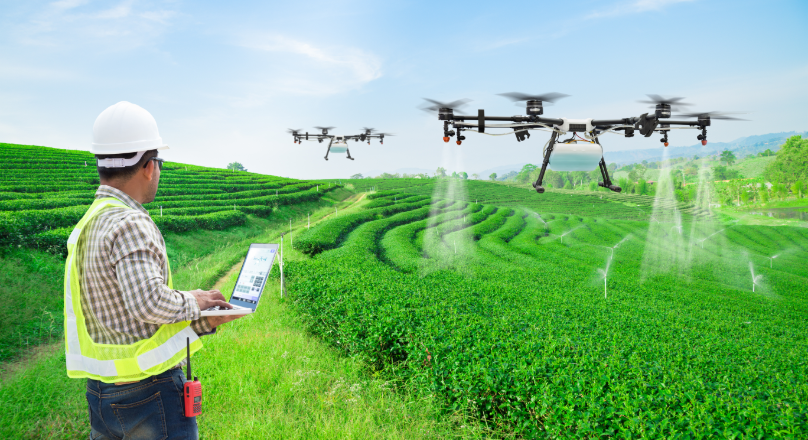
In the rugged landscapes of Nepal, traditional farming faces two major threats: a shrinking labor force and the increasing unpredictability of climate change. At **Darshan Infosys**, our Research & Development team is building a data-driven bridge to food security.
### Core Innovation Pillars
* **Precision Spraying:** Our drones use Ultra-Low Volume (ULV) technology, requiring 90% less water and reducing chemical use by nearly 30%.
* **NDVI Crop Health Analysis:** Identify nutrient deficiencies or water stress 10–14 days before a human scout can see them.
* **LiDAR Topography:** Creating 3D "digital twins" of the land to design smart irrigation systems that prevent soil erosion.
---
| Feature | Traditional Manual Farming | Darshan Drone-Assisted |
| :--- | :--- | :--- |
| **Area Covered (20 mins)** | 0.05 Hectares | **1.0 - 1.5 Hectares** |
| **Water Requirement** | ~400 Liters | **~20 Liters (90% Savings)** |
| **Labor Requirement** | High (5-10 People) | **Minimal (1 Pilot)** |
| **Health Risk** | High (Pesticide Exposure) | **Zero (Safe Operations)** |
---
### Key Research Outcomes
1. **Early Stress Detection:** Preventing crop failure before it starts.
2. **Resource Optimization:** Saving costs on water, chemicals, and labor.
3. **Climate Resilience:** Empowering farmers to adapt to changing weather patterns.
4. **Terrace Mastery:** Specialized flight paths designed specifically for Nepal's hilly topography.